The Improvement Ledger, No. 16 of 20
Here is the vocabulary word that pays for this whole entry: a square is 100 square feet of roofing. Contractors price roofs by the square, and once you know that, every roofing quote in your life gets easier to read.
Entry No. 16 is the first exterior project in the ledger, and it arrives with an asterisk: standing seam metal is the worst performing exterior project of the twenty. In the 2021 national Cost vs. Value data it cost $46,031 for 30 squares, returned $25,816, and recouped 56.1 percent. Every other exterior project ranks higher.
Thirty squares is 3,000 square feet of roofing, which covers roughly a 2,200 to 2,500 square foot single level house once you account for overhangs and pitch. Dan Norby, who quoted roofs for thirty years, looked at the $46,031 figure on camera and confirmed it was close to what he would actually bid. The course’s data passing a working contractor’s smell test is worth something.
So why does the forever roof rank behind plain asphalt? Because a roof is priced by labor and material, but valued by function, and both roofs do the same job: keep water out. The metal system costs about two thirds more in the 2021 national data and the market pays back barely more dollars. Durability past the buyer’s ownership horizon is a gift to somebody else.
What the project actually includes
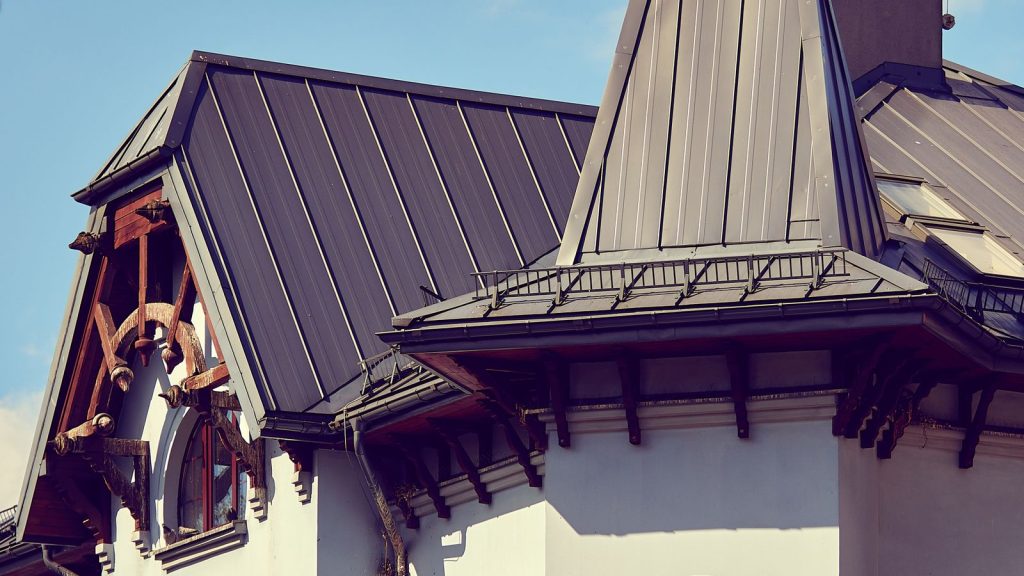
The printed spec: 30 squares of standing seam metal roofing with a ridge vent, all accessories and underlayments. Standing seam means long vertical panels with raised interlocking seams, the premium metal profile, very durable, in the instructors’ words basically a forever roof system.
The course numbers, No. 16 of 20, 2021 national report
The model client conversation the course builds here is the whole course in miniature. Homeowner asks, what do you think about metal roofs? The honest answer: durable, appropriate in some markets, and understand the value of your house goes up by roughly half of what it costs. It is not one for one. People still choose metal for aesthetics, for a fifty year plan, or because the local market expects it. Those are all legitimate. They are just not resale arguments, and knowing the difference is the agent’s actual job.
What the current report says about our market
The 2025 San Francisco metro cut: job cost $64,936, resale $30,727, a 47.3 percent recoup, against 51 percent for the Pacific region and 50.1 percent nationally. The premium roof stays a premium, and the recoup stays under half. Asphalt, which we will meet at entry No. 12, runs $38,289 in the same 2025 metro data and recoups 72.5 percent. The cheaper roof wins the ratio contest by 25 points.
Cost recouped, 2025 report
Source: 2025 Cost vs. Value Report, Zonda Media / Remodeling, San Francisco metro, Pacific region and national data as published at jlconline.com. © 2025 Zonda Media, a Delaware corporation. Complete data from costvsvalue.com.
The dollars, San Francisco metro, 2025 report
Source: 2025 Cost vs. Value Report, Zonda Media / Remodeling, San Francisco metro, Pacific region and national data as published at jlconline.com. © 2025 Zonda Media, a Delaware corporation. Complete data from costvsvalue.com.
Read the fine print with me
The 2021 and 2025 editions of this report are not comparable to each other. Beginning with recent editions, Zonda draws job costs from Verisk’s XactRemodel estimating data and pairs them with resale opinions from a national survey of more than 6,000 REALTORS®. The garage door moved from about 94 percent recouped in 2021 to about 268 percent in 2025 largely because the measurement changed, not because the world did.
So treat every percentage as a ranking signal with a year stamp, never as a promise. These are averages for professionally installed projects across a whole metro. Your street, your house and your contractor will differ. Return of investment, not return on.
The Fremont footnote
California adds a reason to think about roofs that the national course barely touches: insurance. Carriers here underwrite roof age and condition hard, and an older roof can complicate getting or keeping coverage even when it does not leak. That makes roof condition a transaction issue, not just a maintenance one. Metal and Class A rated assemblies also read well in fire hazard severity zones, where Chapter 7A of the building code governs materials. And one more local note: in hillside neighborhoods with HOA architectural rules, check the CC&Rs before falling in love with any roofing material. The course tells a story about a covenant that required cedar shake at nearly double the metal price. In California fire country that same covenant conversation now runs the other direction, toward ignition resistant materials, and state law has been narrowing HOA power to block fire hardening.
What I would actually tell you
Selling within a couple of years with a tired roof? Asphalt architectural shingles do the sellable job for far less money, and sellable is the real goal, a point entry No. 12 makes in full. Staying for decades in a fire aware neighborhood, or done with the idea of ever roofing again? Metal is a fine life purchase and can help the insurance conversation. Just make the choice knowing the 2025 metro math: about 47 cents of each dollar returns. Call or text 510 600 3425 and I will tell you honestly whether your roof is a listing problem or just an aesthetic itch.
Check a contractor quote against the report
Enter a real quote for this project. I will apply the 2025 San Francisco metro recoup rate (47 percent) so you can see the planning picture in dollars before you sign anything.
A planning illustration, not a valuation or a promise. It applies one published metro average to your number, nothing more. The improvement conversation for your own house belongs in a pre listing consult with real comps.
Questions I hear about this project
- How much does a metal roof cost in the Bay Area?
- The 2025 Cost vs. Value Report prices 30 squares, about 3,000 square feet, of standing seam metal roofing at about $64,936 in the San Francisco metro, versus about $51,865 nationally. Complexity, pitch and tear off condition move individual quotes. Asphalt architectural shingles in the same metro data run about $38,289 for the same coverage.
- Is a metal roof worth it for resale?
- Not on resale math alone. The 2025 San Francisco metro data shows metal recouping about 47.3 percent versus about 72.5 percent for asphalt shingles. Metal earns its keep over decades of ownership, in fire aware areas, and with some insurers. If the plan is to sell soon, the market pays you back more of the asphalt check.
- Does roof age affect home insurance in California?
- Increasingly, yes. California carriers commonly underwrite roof age and condition, and an aging roof can affect whether a policy gets written or renewed, which in turn affects a sale. A roof can be watertight and still be a transaction problem. If your roof is past twenty years, have the condition conversation before listing, not during escrow.
The Improvement Ledger
Previously in the ledger: No. 17, the upscale bath. Next entry: No. 15, the midrange major kitchen. The whole countdown, and what it teaches, lives in the closing entry and under Real Estate Wisdom.
Harv Balu, REALTOR®, DRE #02195792, REALTY EXPERTS®, Fremont, California. Call or text 510 600 3425. Cost and resale figures are published averages from the Zonda Media / Remodeling Cost vs. Value Report, cited by edition year and geography in the body; they are planning references, not quotes, valuations or guarantees of any outcome. Building code, Title 24, WUI and disclosure notes are general information about California practice, not legal advice; verify current requirements with the local building department before contracting work. Equal Housing Opportunity. Information deemed reliable but not guaranteed.