
Selling your home is part financial decision, part logistics, and part timing, and getting all three right is what turns a good sale into a great one. This guide walks you through the entire process, from the day you decide to list all the way to the closing table, your net proceeds, and handing over the keys. Read it start to finish, or jump to the step you are on using the menu below.
I am Harv Balu, a REALTOR® serving Fremont, Union City, Newark, Hayward, and the greater East Bay. When I list a home, my job is to position it well, market it widely, protect your bottom line in negotiations, and steer every deadline so you close on time and on your terms. Curious what your home could sell for today? Start with a free, no-obligation home value estimate.
On this page
- The home selling journey at a glance
- Step 1: Clarify your goals and timeline
- Step 2: Find out what your home is really worth
- Step 3: Choose your agent and listing plan
- Step 4: Prepare your home to sell
- Step 5: Stage and capture it beautifully
- Step 6: Price it right
- Step 7: Go live and market the home
- Step 8: Show your home and gather feedback
- Step 9: Review and compare offers
- Step 10: Negotiate and accept
- Step 11: Open escrow and complete your disclosures
- Step 12: Buyer due diligence and repair requests
- Step 13: Contingency removal and the final stretch
- Step 14: Closing, recording, and your proceeds
- After closing: your move-out checklist
- What you actually net as a seller
- Common seller mistakes to avoid
- Frequently asked questions
- Ready to sell?
The home selling journey at a glance
Most home sales follow the same arc. Here is the full path so you can see where each step fits:
- Plan: clarify your goals, your timeline, and your numbers.
- Value: learn what your home is realistically worth in today’s market.
- Hire: choose an agent and agree on a listing and marketing plan.
- Prepare: declutter, repair, clean, and boost curb appeal.
- Present: stage, then capture professional photos and video.
- Price: set a strategic list price based on real data.
- Launch: go live on the MLS, syndicate online, and market the home.
- Show: hold showings and open houses and collect feedback.
- Offers: review, compare, and negotiate the offers that come in.
- Escrow: open escrow, complete disclosures, and work through the buyer’s due diligence.
- Close: sign, transfer title, and collect your proceeds.
In our market, a well-prepared and well-priced home often goes from listing to accepted offer quickly, then takes roughly three to five weeks to close once a buyer is financing the purchase. New to the language of real estate? Keep my glossary of real estate terms open in another tab as you read.
Step 1: Clarify your goals and timeline
Before anything else, get clear on what a successful sale looks like for you. Are you chasing the highest price, the fastest close, the smoothest move, or a specific date that lines up with your next home? These goals sometimes pull in different directions, and naming your priority up front shapes every decision that follows.
- Why are you selling? Upsizing, downsizing, relocating, or cashing in on equity.
- What is your timeline? A hard deadline changes pricing and prep strategy.
- Are you buying at the same time? If so, we coordinate both transactions. My buyer guide walks through that side in detail.
- What is your bottom line? We will map your likely net proceeds so there are no surprises.
Step 2: Find out what your home is really worth
Pricing starts with honest data, not a wish or an online guess. Automated estimates can be off by a wide margin because they cannot see your finishes, your floor plan, your location on the street, or the current mood of buyers.
I prepare a comparative market analysis, a side-by-side look at what similar nearby homes recently sold for, what is active right now, and what fell out of contract. That tells us what buyers are actually willing to pay today. To get started, request a free home value estimate, then study local conditions in my market reports and reports by cities so you know whether you are selling into a buyer or seller market.
Step 3: Choose your agent and listing plan

Your listing agent runs the entire sale: pricing, preparation, marketing, negotiation, and the dozens of deadlines between listing and close. When you interview agents, look past the commission number and ask how they will actually earn it.
- The listing agreement sets the price, the term, and how the agent is paid. Commission is negotiable and is typically a percentage of the sale price, often shared between the listing side and the buyer side. Get the full structure in writing.
- The marketing plan should be specific: professional photography, the MLS, syndication to the major search portals, social media, email to buyer agents, and open houses.
- Representation matters. If one agent represents both you and the buyer, that is dual agency, and it changes what they can do for each side. I explain the trade-offs in what it means to have a dual agent.
You can learn how I work on my about page.
Step 4: Prepare your home to sell
Preparation is where sellers earn some of their best returns. Buyers form an opinion in the first few seconds, so the goal is a home that feels cared for, spacious, and move-in ready.
- Declutter and depersonalize so buyers can picture their own life there. Pack away extra furniture, family photos, and countertop clutter.
- Deep clean everything, including windows, grout, and appliances. A spotless home signals a well-maintained one.
- Handle obvious repairs: dripping faucets, sticking doors, cracked outlet covers, burnt-out bulbs, and chipped paint.
- Boost curb appeal: fresh mulch, trimmed landscaping, a clean entry, and a welcoming front door. For more ideas, see the transformation that helped 697 Lakewood stand out.
- Consider a pre-listing inspection. Knowing about issues before a buyer does lets you fix or price for them on your terms, with fewer surprises later.
- Gather your documents early: permits, warranties, HOA papers, and records of improvements.
Tip: Spend on the things buyers see and smell first: paint, flooring, lighting, landscaping, and a fresh, neutral feel. Not every upgrade returns its cost, so we focus your budget where it actually moves the price.
Step 5: Stage and capture it beautifully

Most buyers start their search online, so your photos are your first showing. Homes that are staged and professionally photographed tend to attract more attention and stronger offers.
- Staging arranges furniture and decor to highlight space, light, and flow. Even light staging of key rooms makes a difference.
- Professional photography is not optional in today’s market. Bright, wide, well-composed images are what stop the scroll.
- Video and 3D tours let serious buyers walk the home before they visit, which means the people who show up are more qualified.
- A floor plan helps buyers understand the layout and picture their furniture.
Step 6: Price it right
Pricing is the single biggest lever in your sale. Price it well and you create competition. Price it too high and the listing sits, grows stale, and often sells for less than it would have with a sharper number from day one.
- Overpricing costs you. The most interest a home ever gets is in its first couple of weeks. Aim that window at the right buyers, not over their heads.
- Market conditions matter. Inventory, interest rates, and the season all shape buyer behavior. I track rates over time in my mortgage rate history, since financing costs affect what buyers can pay.
- Strategy options. Depending on the market, we may price at value to draw broad interest, or slightly under to invite multiple offers. We choose together based on your goals.
Step 7: Go live and market the home
When your home hits the market, the goal is maximum exposure to the right buyers, fast. A strong launch usually includes:
- The MLS, the central database that feeds agents and the major home search sites.
- Online syndication to the big portals where buyers are already looking.
- Open houses and a broker tour to get buyers and agents through the door.
- Social media and email to my network and to active buyer agents.
- Polished marketing: a compelling description, the professional photos, and clear, accurate details.
Once showings begin, presentation still counts. My 14 showing tips for sellers cover how to keep the home show-ready without losing your mind.
Step 8: Show your home and gather feedback
Showings are where interest turns into offers. To keep your home ready and protect it:
- Keep it clean, bright, and lightly scented, and leave during showings so buyers feel free to talk openly.
- Secure valuables, medications, and sensitive documents before every showing.
- Make access easy. The more available your home is, the more buyers see it.
- We collect agent and buyer feedback and watch the response. If traffic is strong but offers are not coming, that usually points to price or condition, and we adjust.
Step 9: Review and compare offers
When offers arrive, price is only the headline. A complete review weighs the whole package so you can pick the offer most likely to close at the best terms.
- Price, and how it compares to your list price and to the appraisal risk.
- Financing strength: cash, the size of the down payment, and the quality of the buyer’s pre-approval.
- Contingencies: the inspection, appraisal, and loan contingencies a buyer keeps are the conditions that let them renegotiate or walk. Fewer or shorter contingencies usually mean more certainty.
- Timeline: the proposed close date and any requests to rent the home back to you after closing.
- Earnest money: a larger good-faith deposit often signals a more committed buyer.
If you receive several offers, we organize them side by side so the strongest one is obvious, not just the highest number.
Step 10: Negotiate and accept
Few offers are perfect on arrival. We negotiate price, terms, timelines, and any conditions to protect your bottom line. You can accept an offer, reject it, or send a counteroffer that changes the terms you want. In a multiple-offer situation, we may invite buyers to bring their best and final terms. It is also smart to consider a backup offer so that if the first buyer cancels, you are not starting over. Once both sides sign, you have an accepted offer and you are in contract.
Step 11: Open escrow and complete your disclosures
With a signed contract, you open escrow. Escrow is a neutral third party that holds the buyer’s deposit and all documents, and releases funds only when every condition of the contract is met. This is also when your seller obligations kick in.
California requires sellers to disclose a great deal about the property. Expect to complete documents such as the Transfer Disclosure Statement, the Seller Property Questionnaire, and a Natural Hazard Disclosure report, plus HOA documents and any local requirements where they apply. Be thorough and honest. Full, accurate disclosure is both the law and your best protection against a dispute after closing.
Important: Never hide a known defect to protect a sale. Disclosing a problem is far cheaper than the lawsuit that can follow a concealed one. When in doubt, disclose it, and let me and your escrow officer guide the wording.
Step 12: Buyer due diligence and repair requests
During escrow the buyer investigates the home with their own inspections, and their lender orders an appraisal to confirm value for the loan. Two things commonly come up:
- A request for repairs. After inspections, the buyer may ask you to fix items, offer a credit toward their closing costs, or reduce the price. You can agree, counter, or decline, and we weigh each request against the risk of the buyer walking.
- The appraisal. If it comes in at or above the price, the loan moves forward. If it comes in low, we can renegotiate, ask the buyer to cover the gap, or hold firm, depending on your position and the market.
Credits often beat repairs: they save you the time and stress of doing the work, and the buyer gets to handle it their way after closing.
Step 13: Contingency removal and the final stretch
As the buyer satisfies each condition, they remove their contingencies in writing. Each removal is a milestone that makes the sale more certain, because after a contingency is removed the buyer generally puts their deposit at risk if they back out for that reason. Keep your home and its systems in the same condition through this stretch, and stay responsive, since quick answers keep the file moving toward a clean, on-time close.
Step 14: Closing, recording, and your proceeds
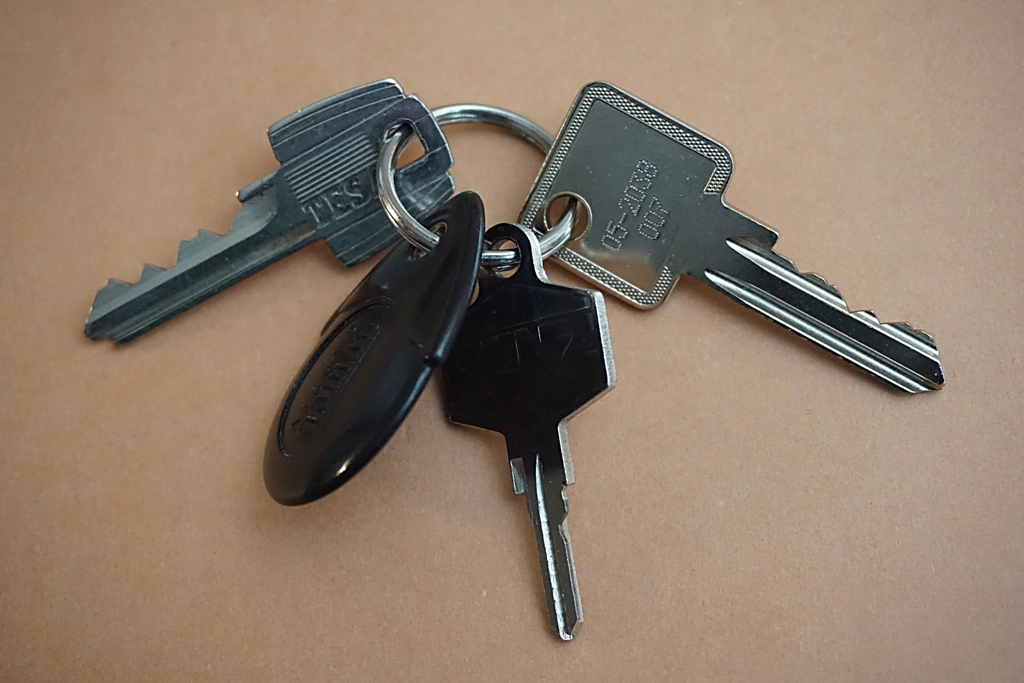
This is the finish line. Here is the sequence on the seller side:
- You sign your closing documents with a notary, including the deed that transfers the property and the final settlement statement. Review every figure so you know exactly what you are netting.
- The buyer’s funds and loan arrive into escrow.
- The sale records with the county, which is the legal moment ownership transfers to the buyer.
- Your proceeds are released. Escrow pays off your remaining mortgage and any liens, deducts the agreed selling costs, and sends you the balance by wire or check.
- You hand over the keys, remotes, and any codes. The sale is complete.
Important, protect your proceeds from wire fraud: Criminals impersonate escrow and title companies to redirect your funds. Before you give anyone your wiring details or accept a payoff or proceeds wire, confirm the instructions by voice using a phone number you verified independently, not one from an email. When in doubt, call me first.
After closing: your move-out checklist
The sale is done, but a few tasks remain to wrap things up cleanly:
- Cancel or transfer utilities as of the closing date so you stop paying for a home you no longer own.
- Cancel your homeowners insurance once the sale records, and ask about any refund of prepaid premium.
- Forward your mail and update your address with your bank, employer, the DMV, and voter registration.
- Keep every closing document, especially the settlement statement and records of improvements. You will want them at tax time.
- Talk to a tax advisor about your gain. Federal rules may let you exclude part of the gain on a primary residence if you meet the ownership and use tests, and investment property may qualify for a 1031 exchange to defer taxes. Confirm your situation with a professional.
- Leave the home clean and leave behind manuals, spare keys, and garage remotes for the new owner.
What you actually net as a seller
Your net proceeds are the sale price minus what you owe and what it costs to sell. The items below are the usual deductions. The exact figures vary by your loan, your city, and your contract, so we prepare a personalized net sheet before you list and update it with every offer. Always confirm specifics with your escrow and title company and your tax advisor.
| Typical seller cost | What it is |
|---|---|
| Mortgage payoff | The remaining balance and any liens, paid off through escrow. |
| Agent commission | Negotiable, set in your listing agreement, often shared between the listing and buyer side. |
| Title and escrow fees | Charges to transfer ownership and handle the closing. |
| Transfer taxes | County and, in some cities, city transfer tax. Rates vary by location. |
| Prorations | Your share of property taxes and any HOA dues up to the closing date. |
| Concessions and repairs | Any credits or repairs you agree to during negotiations. |
Common seller mistakes to avoid
- Overpricing out of the gate. A stale listing almost always nets less than a sharp one.
- Skipping preparation and photos. First impressions happen online, and they are hard to undo.
- Taking it personally. Buyer feedback and offers are about the market, not about you.
- Hiding a known problem. Incomplete disclosure invites a dispute after closing.
- Choosing an agent on commission alone. A weak marketing plan can cost you far more than a fraction of a percent.
- Trusting wiring instructions from an email. Always verify by phone before any funds move.
- Focusing only on the top number. The best offer is the one most likely to actually close on your terms.
Frequently asked questions
How do I know what my home is worth?
Start with a free home value estimate, then rely on a comparative market analysis of recent nearby sales. Automated online estimates are a rough starting point, not a price, because they cannot see your condition, finishes, or location on the street.
How much does it cost to sell a home?
Your main costs are the agent commission, title and escrow fees, county and any city transfer taxes, prorations, and any credits you negotiate, all subtracted from the sale price along with your mortgage payoff. We prepare a personalized net sheet before you list so you know your likely proceeds.
Should I make repairs before listing?
Usually yes for the visible, low-cost items that shape first impressions, like paint, cleaning, and minor fixes. For bigger items we weigh the likely return before spending, and sometimes a credit to the buyer makes more sense than doing the work yourself.
How long does it take to sell?
A well-prepared, well-priced home often goes under contract quickly, and a financed sale then takes roughly three to five weeks to close. Pricing, condition, and market conditions all affect the timeline.
Do I have to disclose problems with my home?
Yes. California requires sellers to disclose what they know about the property through forms like the Transfer Disclosure Statement and Seller Property Questionnaire. Full, honest disclosure is both the law and your best protection against a future dispute.
Will I owe taxes on the sale?
It depends. Federal rules may let you exclude part of the gain on a primary residence if you meet the ownership and use tests, and investment property may qualify for a 1031 exchange to defer taxes. Always confirm your situation with a tax advisor.
Ready to sell?
The best first step costs you nothing and starts the conversation: find out what your home could sell for today. Tell me your timeline and your goals, and I will build a pricing, preparation, and marketing plan around them. I list and sell homes across Fremont, Union City, Newark, Hayward, and the greater East Bay, and I would be honored to represent you.
Get my free home value estimate
Harv Balu, REALTOR®
GRI, CIPS, PSA | CA DRE #02195792
Call or text: 510-600-3425
Email: homes@HarvRealtor.com
Web: HarvRealtor.com
41051 Mission Blvd, Fremont, CA 94539
Want to keep learning first? Browse the real estate wisdom articles, explore the cities in my East Bay and South Bay city guide, or dig into the Bay Area tools hub. Buying your next home too? Start with the home buyer guide.
Equal Housing Opportunity. I serve every client with fairness and respect, and I follow all federal and California fair housing laws. Discrimination in housing is illegal, and I am proud to support equal access for all, see my takeaways from Fair Housing Day.
Disclaimer: This guide is general education, not legal, tax, or financial advice. Commissions, fees, taxes, percentages, and timelines change and vary by seller, property, and contract. Always confirm specifics with your real estate agent, your escrow and title company, and your tax advisor before making decisions. All information is deemed reliable but is not guaranteed.