The Improvement Ledger, No. 9 of 20
If cheap guaranteed return, the cheapest project in the book would rank first. It ranks ninth. That gap between cheap and effective is where this whole series earns its keep.
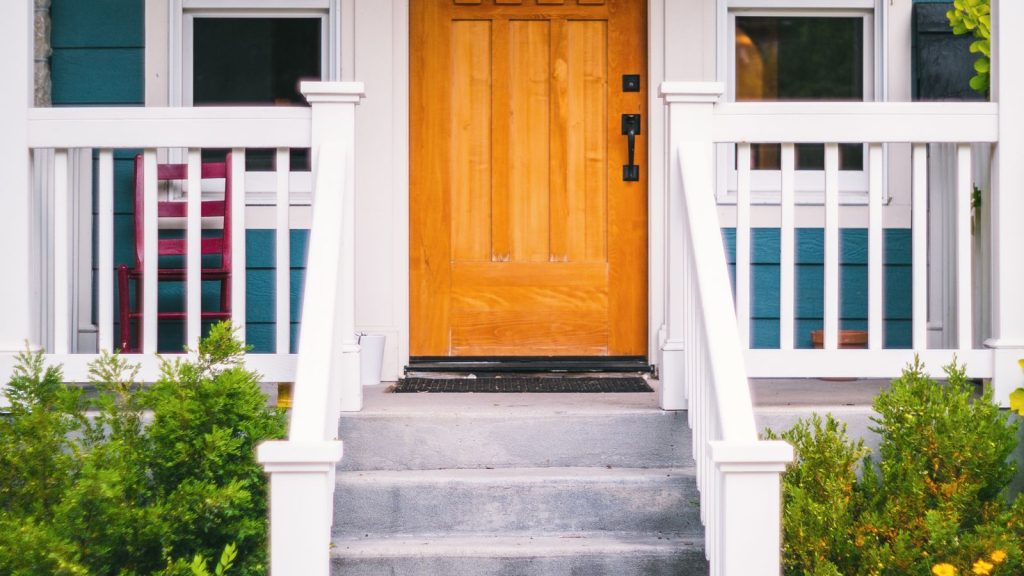
Entry No. 9 is the smallest check in the ledger. A 36 inch steel entry door and jamb, half glass insulated window, factory finished, ranch casing, new lockset: $2,082 in the 2021 national Cost vs. Value data, $1,353 back, a 65 percent recoup.
Note what this is not. It is not the grand entrance from entry No. 11. No sidelights, no side framing, just the door and jamb. The book presents steel versus fiberglass as a head to head, but the scopes differ, and the honest comparison is that the steel door buys the essential function at a fifth of the grand entrance price, and recoups a better ratio doing it, 65 percent against 60.9 in the same 2021 data.
Here is why this entry matters beyond doors. The cheapest project of all twenty ranks only ninth. Meanwhile the wood deck at eight times the price recoups better. The course’s own conclusion: cost discipline improves your ratio, but the market decides the ceiling, and the market pays for what it values, not for what you saved. Cheap does not guarantee return. Expensive does guarantee less of it, a law the closing entry will make exact.
Prefer to watch? The video walkthrough runs under six minutes, with both editions’ numbers and their year stamps side by side.

What the project actually includes
The printed spec: a 3 foot by 6 foot 8 inch steel door and jamb with a half glass insulated window, factory finished, ranch casing and a new lockset, no sidelights. Steel and fiberglass insulate within a point or two of each other; fiberglass costs more because of its manufacturing and carries a crisper grain, and wood costs most of all and survives mainly on high end homes that showcase exotic grains.
The course numbers, No. 9 of 20, 2021 national report
The history in this entry is my favorite in the course. Roughly a decade ago, in an earlier edition of this same class, this exact project returned over 100 percent. It was the winner back in the day. It fell for three named reasons: markets changed, desires changed, and costs changed. Styles cycle too, the nineties door with the half wagon wheel window gave way to today’s farmhouse look, and a dated door quietly dates the whole facade. Rankings are weather, not geology. Read them with a date attached.
One craftsman’s trick from the course worth stealing: when choosing a door color, look at current car color brochures. Auto makers spend fortunes researching what colors people want right now, and that research is free at every dealership. It is a small window into the course’s larger discipline, design to the market, not to your memory of the market.
What the current report says about our market
The 2025 San Francisco metro figures: job cost $2,714, resale $6,438, a 237.2 percent recoup, the top ranked project in our metro’s current table. Yes, that reads like a different universe than 65 percent, and the methodology note below is mandatory reading before repeating it. The stable takeaway across both editions and every geography: entry doors sit at or near the top of the value tables because the check is tiny and the first impression is not.
Cost recouped, 2025 report
Source: 2025 Cost vs. Value Report, Zonda Media / Remodeling, San Francisco metro, Pacific region and national data as published at jlconline.com. © 2025 Zonda Media, a Delaware corporation. Complete data from costvsvalue.com.
The dollars, San Francisco metro, 2025 report
Source: 2025 Cost vs. Value Report, Zonda Media / Remodeling, San Francisco metro, Pacific region and national data as published at jlconline.com. © 2025 Zonda Media, a Delaware corporation. Complete data from costvsvalue.com.
Read the fine print with me
The 2021 and 2025 editions of this report are not comparable to each other. Beginning with recent editions, Zonda draws job costs from Verisk’s XactRemodel estimating data and pairs them with resale opinions from a national survey of more than 6,000 REALTORS®. The garage door moved from about 94 percent recouped in 2021 to about 268 percent in 2025 largely because the measurement changed, not because the world did.
So treat every percentage as a ranking signal with a year stamp, never as a promise. These are averages for professionally installed projects across a whole metro. Your street, your house and your contractor will differ. Return of investment, not return on.
The Fremont footnote
Fremont notes for a two thousand dollar project. On our stucco facades the jamb swap is straightforward, but insist on a proper threshold detail and flashing, because a two hundred dollar shortcut there causes four figure dry rot later. Pre 1978 homes trigger lead safe work practices when the old frame comes out, certified firm, contained dust, no exceptions. And think about our climate honestly: steel in full afternoon sun on a west facing entry can get hot to the touch and show dents from daily life. On sheltered or north facing entries steel is the value play; on punished exposures, fiberglass earns its premium. That is a judgment call your door supplier will happily make for you in the showroom, so make it on your porch instead.
What I would actually tell you
The same honest ladder from entry No. 11 applies here at one fifth scale. Sound door? Paint and hardware first, a few hundred dollars, and the course endorses exactly that even against its own cheapest ranked project. Failed door, leaking, sticking, cracked? The steel replacement is the disciplined fix, the 2025 metro numbers are outstanding, and the whole decision is smaller than a month of a Bay Area mortgage payment, a sense of scale first time buyers especially appreciate. What I care about is sequence: door decisions belong in the pre listing plan with photos and comps, not as a panic purchase the week before listing. Call or text 510 600 3425.
Check a contractor quote against the report
Enter a real quote for this project. I will apply the 2025 San Francisco metro recoup rate (237 percent) so you can see the planning picture in dollars before you sign anything.
A planning illustration, not a valuation or a promise. It applies one published metro average to your number, nothing more. The improvement conversation for your own house belongs in a pre listing consult with real comps.
Questions I hear about this project
- How much does a steel entry door replacement cost?
- The 2025 Cost vs. Value Report prices it at about $2,714 in the San Francisco metro, versus about $2,435 nationally, for a 36 inch steel door and jamb with a half glass insulated window and new lockset, professionally installed. It is the least expensive project in the twenty the course studied, and among the best ranked in the current report.
- Is a steel door as energy efficient as fiberglass?
- Effectively yes. The course puts them within a point or two of each other, and both are now rated by U factor, which measures heat loss through the entire door and frame assembly rather than just the slab. Fiberglass charges its premium for appearance and durability in harsh exposure, not for meaningful insulation gains.
- What adds more curb appeal, a new door or painting the old one?
- If the existing door is sound, paint plus new hardware delivers most of the visual change for a fraction of the cost, and the course recommends offering exactly that option. A new door wins when the old one leaks, sticks, shows rot or dents, or when its style dates the facade. Condition first, then style, then budget.
The Improvement Ledger
Previously in the ledger: No. 10, the composite deck. Next entry: No. 8, the wood deck. The whole countdown, and what it teaches, lives in the closing entry and under Real Estate Wisdom.
Harv Balu, REALTOR®, DRE #02195792, REALTY EXPERTS®, Fremont, California. Call or text 510 600 3425. Cost and resale figures are published averages from the Zonda Media / Remodeling Cost vs. Value Report, cited by edition year and geography in the body; they are planning references, not quotes, valuations or guarantees of any outcome. Building code, Title 24, WUI and disclosure notes are general information about California practice, not legal advice; verify current requirements with the local building department before contracting work. Equal Housing Opportunity. Information deemed reliable but not guaranteed.