The Improvement Ledger, No. 4 of 20
Every pattern in this series says the cheaper option wins. Here is the exception, and the arithmetic of why it is the exception is the most useful math lesson in the course.
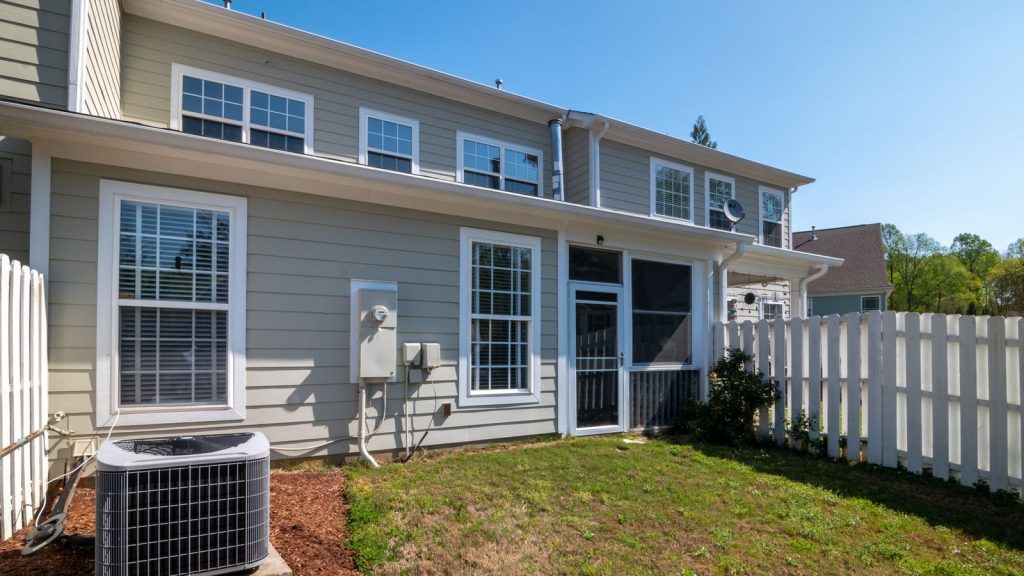
Entry No. 4 is the same 1,250 square foot re clad as the vinyl entry, in a material made of cement, sand and cellulose fiber pressed into planks. The 2021 national Cost vs. Value data: $19,626 in, $13,618 back, 69.4 percent recouped, the best siding number on the table.
Here is the arithmetic that makes this entry famous inside the course. Fiber cement cost $3,050 more than vinyl in the 2021 data and returned $2,303 more. Those upgrade dollars recouped at 75.5 percent, a better rate than either project’s overall average. That is why the pricier option wins its only victory in the book: the premium itself is the best performing money in the deal. When a client asks whether the upgrade is worth it, this is the shape of analysis that answers it, marginal dollars against marginal return, not sticker against sticker.
The product review is glowing even from a thirty year contractor: super durable, one of the few building products of its era that never had a failure problem, low maintenance, and with the factory finish, paint warranties running to fifty years. It hangs like wood, solid and tight, no thermal sliding games, though it is heavy, brittle in long lengths, and wants an extra pair of hands on the crew, which is part of the price gap.
What the project actually includes
The printed spec: 1,250 square feet of fiber cement siding including trim boards, factory primed and painted. Fiber cement is the generic term, several brands manufacture it, and the course deliberately names none. The factory finish matters: prefinished planks carry the long paint warranties and arrive ready to hang, which is how the fifty year number becomes real.
The course numbers, No. 4 of 20, 2021 national report
Why has the gap to vinyl narrowed enough for the premium to win? Petroleum. Vinyl is an oil product, and its price has ratcheted up through every oil shock without ratcheting back. Cement has climbed slower. The instructors’ price memory from their contracting years, quotes that once held thirty days shrinking to fifteen during oil runs, is the texture behind the tables. Materials do not just cost what they cost. They cost what their feedstock did lately, and the trend line has favored fiber cement for two decades.
What the current report says about our market
The 2025 San Francisco metro figures: job cost $24,197, resale $26,573, a 109.8 percent recoup, versus 130.4 percent for the Pacific region and 113.7 percent nationally. Read that again: in the current data, in every geography, fiber cement siding returns more than it costs. It is one of only a handful of projects on the 2025 table that clears its own invoice, and the methodology caveat below applies, but the direction is unambiguous across every cut of the data.
Cost recouped, 2025 report
Source: 2025 Cost vs. Value Report, Zonda Media / Remodeling, San Francisco metro, Pacific region and national data as published at jlconline.com. © 2025 Zonda Media, a Delaware corporation. Complete data from costvsvalue.com.
The dollars, San Francisco metro, 2025 report
Source: 2025 Cost vs. Value Report, Zonda Media / Remodeling, San Francisco metro, Pacific region and national data as published at jlconline.com. © 2025 Zonda Media, a Delaware corporation. Complete data from costvsvalue.com.
Read the fine print with me
The 2021 and 2025 editions of this report are not comparable to each other. Beginning with recent editions, Zonda draws job costs from Verisk’s XactRemodel estimating data and pairs them with resale opinions from a national survey of more than 6,000 REALTORS®. The garage door moved from about 94 percent recouped in 2021 to about 268 percent in 2025 largely because the measurement changed, not because the world did.
So treat every percentage as a ranking signal with a year stamp, never as a promise. These are averages for professionally installed projects across a whole metro. Your street, your house and your contractor will differ. Return of investment, not return on.
The Fremont footnote
Now the California payoff, and it is the biggest one in this series. Vinyl melts and burns. Fiber cement does not burn, the instructors confirm the contrast directly. In designated fire hazard severity zones, where Chapter 7A of the building code governs exterior wall coverings, fiber cement is not merely the better return, it is often the compliant choice, full stop. The East Bay hills, the Fremont hillsides, everywhere the fire maps color in, this is the siding conversation. Two more local notes. Some associations now write sightline covenants, fiber cement required on street facing elevations, cheaper materials permitted where invisible, so read the CC&Rs by elevation, not just by material. And on any pre 1978 re clad, the lead safe work rules from the vinyl entry apply identically here, certified firm, contained removal, disclosure unchanged.
What I would actually tell you
If a Tri City house of mine genuinely needs re cladding, this is the material I recommend, and the reasons stack four deep: the marginal dollars recoup better than the base dollars, the 2025 metro data shows it clearing its cost, it satisfies Chapter 7A where stucco is not staying, and it neutralizes the insurance conversation that combustible claddings invite. The honest alternative on most streets remains repairing and repainting the stucco the house already wears, at a fraction of any re clad. Skin deep problems get paint. Structural skin problems get fiber cement. Call or text 510 600 3425 and I will tell you which category your exterior is actually in.
Check a contractor quote against the report
Enter a real quote for this project. I will apply the 2025 San Francisco metro recoup rate (110 percent) so you can see the planning picture in dollars before you sign anything.
A planning illustration, not a valuation or a promise. It applies one published metro average to your number, nothing more. The improvement conversation for your own house belongs in a pre listing consult with real comps.
Questions I hear about this project
- How much does fiber cement siding cost in the Bay Area?
- The 2025 Cost vs. Value Report prices 1,250 square feet of factory finished fiber cement siding at about $24,197 in the San Francisco metro, versus about $21,485 nationally, and shows it returning about $26,573 at resale, more than its cost. It runs roughly 20 percent above vinyl, and the premium historically recoups better than the base spend.
- Is fiber cement siding fireproof?
- It is noncombustible, it does not burn, which is why it satisfies Chapter 7A exterior covering requirements in California’s mapped fire hazard severity zones where vinyl generally cannot. For hillside and wildland adjacent Tri City properties it is often the default compliant siding choice, and insurers increasingly notice the difference.
- Which siding adds the most value?
- In every geography of the 2025 Cost vs. Value data, fiber cement leads: about 109.8 percent recouped in the San Francisco metro versus about 79.6 for vinyl. It also led the 2021 edition. Its combination of durability, fifty year finish warranties and fire performance is what the resale premium is paying for.
The Improvement Ledger
Previously in the ledger: No. 5, the vinyl windows. Next entry: No. 3, the minor kitchen. The whole countdown, and what it teaches, lives in the closing entry and under Real Estate Wisdom.
Harv Balu, REALTOR®, DRE #02195792, REALTY EXPERTS®, Fremont, California. Call or text 510 600 3425. Cost and resale figures are published averages from the Zonda Media / Remodeling Cost vs. Value Report, cited by edition year and geography in the body; they are planning references, not quotes, valuations or guarantees of any outcome. Building code, Title 24, WUI and disclosure notes are general information about California practice, not legal advice; verify current requirements with the local building department before contracting work. Equal Housing Opportunity. Information deemed reliable but not guaranteed.