The Improvement Ledger, No. 12 of 20
This entry introduces the most important idea in the whole series: some money you spend not to get it back, but so the house can transact at all. The instructors call it sellable, and a roof is where they teach it.
Entry No. 12 is the roof most American houses actually wear. Thirty squares, 3,000 square feet, of architectural asphalt shingles: $28,256 in the 2021 national Cost vs. Value data, $17,147 back, a 60.7 percent recoup. Against the standing seam metal roof from entry No. 16, asphalt costs 39 percent less and returns 4.6 points more. Cheaper and better, the pattern that rules this series.
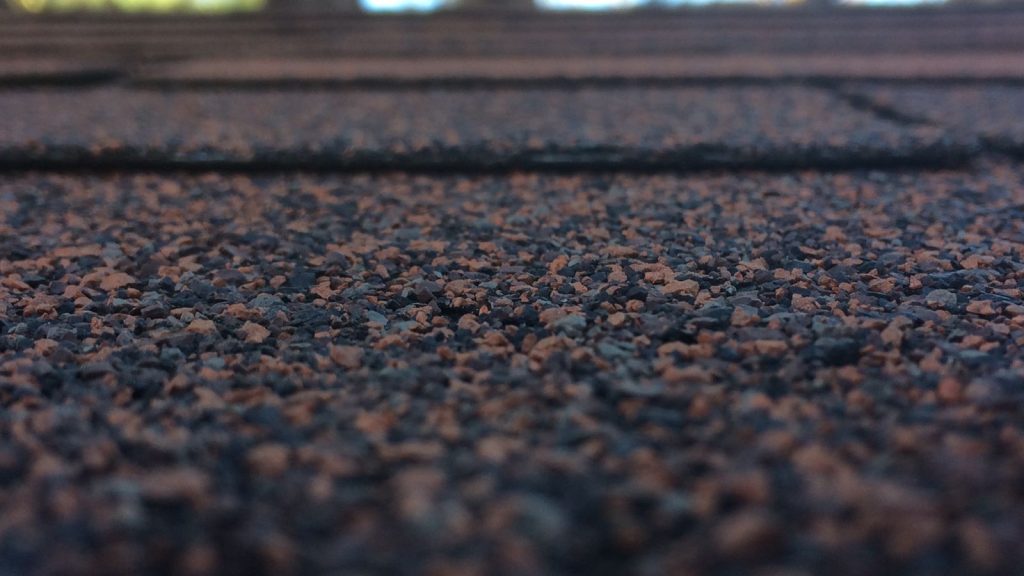
And these are not your grandfather’s shingles. The spec is the architectural grade, not the flat three tab: real thickness, dimensional shadow lines, multiple asphalt colors, wind ratings that genuinely impress a thirty year contractor. Manufacturers now warrant many of them as lifetime shingles against defects, provided the installation is done right. Why is asphalt cheaper? Labor. A quicker install cuts the price for everyone, and roofs are priced by the square, install included.
What the project actually includes
The printed spec: 30 squares of architectural style asphalt shingles with a ridge vent and all accessories and underlayments. A square is 100 square feet of roofing, and 3,000 square feet of roof covers roughly a 2,200 to 2,500 square foot single story house, because overhangs and pitch make every roof bigger than the floor plan under it.
The course numbers, No. 12 of 20, 2021 national report
Here is the idea that earns this entry its place in the ledger. Roofs are prime deferred maintenance, ridden out for years because nothing leaks yet. The tells are visible from the driveway: shingles curling, shingles breaking apart, gutters filling with granules washed off the surface. Then the course delivers its punchline: nobody wants to buy a house that leaks. You will spend $28,000 and see about $17,000 back, and the instructors say plainly that the point is something else. Your home becomes sellable.
That completes the course’s three reasons to spend money on a house. Return, the Cost vs. Value table. Use value, the kitchen you cook in for fifteen years. And sellability, the spending that makes the transaction possible at all. A failing roof is category three. The percentage is not the point. The sale is the point.
What the current report says about our market
The 2025 San Francisco metro figures: job cost $38,289, resale $27,747, a 72.5 percent recoup, versus 76.2 percent for the Pacific region and 67.5 percent nationally. Our metro pays asphalt back at nearly three quarters, 25 points ahead of metal in the same 2025 data. For a house heading to market with a tired roof, this is the version of the project the math endorses.
Cost recouped, 2025 report
Source: 2025 Cost vs. Value Report, Zonda Media / Remodeling, San Francisco metro, Pacific region and national data as published at jlconline.com. © 2025 Zonda Media, a Delaware corporation. Complete data from costvsvalue.com.
The dollars, San Francisco metro, 2025 report
Source: 2025 Cost vs. Value Report, Zonda Media / Remodeling, San Francisco metro, Pacific region and national data as published at jlconline.com. © 2025 Zonda Media, a Delaware corporation. Complete data from costvsvalue.com.
Read the fine print with me
The 2021 and 2025 editions of this report are not comparable to each other. Beginning with recent editions, Zonda draws job costs from Verisk’s XactRemodel estimating data and pairs them with resale opinions from a national survey of more than 6,000 REALTORS®. The garage door moved from about 94 percent recouped in 2021 to about 268 percent in 2025 largely because the measurement changed, not because the world did.
So treat every percentage as a ranking signal with a year stamp, never as a promise. These are averages for professionally installed projects across a whole metro. Your street, your house and your contractor will differ. Return of investment, not return on.
The Fremont footnote
California adds a fourth reason to the course’s three: insurability. Carriers here underwrite roof age and condition aggressively, and an aging roof can hold up coverage, which holds up escrow, even when the roof has never leaked. A watertight roof can still be a transaction problem. Fire adds another layer: in designated fire hazard severity zones, Chapter 7A of the building code requires fire rated roof assemblies, and untreated wood shake is effectively history. The course tells a story about a Midwest covenant that required cedar shake at nearly $85,000. In California that conversation now runs in reverse, and state law has been limiting HOA power to block fire hardening. If your Fremont hills neighborhood has architectural rules, read them next to the fire map before quoting any roofing material.
What I would actually tell you
My checklist for sellers is short. Walk the driveway and look up: curling edges, missing tabs, granules in the gutters. If you see them, the roof conversation belongs in the pre listing plan, because a buyer’s inspector will see them too, an insurer may see them worse, and the repair credit a buyer demands in escrow always exceeds the contractor’s actual invoice. Handled six months early on your terms, it is a $38,000 metro average project that recoups nearly three quarters and removes the deal’s biggest fear. Handled in escrow on a buyer’s terms, it is a discount you do not control, the exact trap overpricing sellers fall into for different reasons. Call or text 510 600 3425 and I will look at your roof before anyone else does.
Check a contractor quote against the report
Enter a real quote for this project. I will apply the 2025 San Francisco metro recoup rate (72 percent) so you can see the planning picture in dollars before you sign anything.
A planning illustration, not a valuation or a promise. It applies one published metro average to your number, nothing more. The improvement conversation for your own house belongs in a pre listing consult with real comps.
Questions I hear about this project
- How much does an asphalt shingle roof cost in the Bay Area?
- The 2025 Cost vs. Value Report prices 30 squares, about 3,000 square feet, of architectural asphalt shingles at about $38,289 in the San Francisco metro, versus about $31,871 nationally. Roofers price by the square, accessories included, so your quote scales with your actual roof area, pitch and tear off needs.
- Should I replace my roof before selling my house?
- If it shows visible wear, usually yes. A failing roof triggers three problems at once: buyer fear, inspection findings and, in California, insurance underwriting that can stall escrow. The 2025 San Francisco metro data shows asphalt recouping about 72.5 percent, and the part that does not come back buys certainty, speed and a full buyer pool. Repair credits demanded in escrow almost always exceed the real cost of fixing it beforehand.
- How do I know my roof is near the end of its life?
- Three driveway visible tells: shingles curling at the edges, shingles cracking or missing, and gutters collecting the protective granules washing off the surface. Roof systems can go a long time between first tells and first leak, which is exactly why buyers and insurers treat the tells as the warning.
The Improvement Ledger
Previously in the ledger: No. 13, the midrange bath. Next entry: No. 11, the grand entrance. The whole countdown, and what it teaches, lives in the closing entry and under Real Estate Wisdom.
Harv Balu, REALTOR®, DRE #02195792, REALTY EXPERTS®, Fremont, California. Call or text 510 600 3425. Cost and resale figures are published averages from the Zonda Media / Remodeling Cost vs. Value Report, cited by edition year and geography in the body; they are planning references, not quotes, valuations or guarantees of any outcome. Building code, Title 24, WUI and disclosure notes are general information about California practice, not legal advice; verify current requirements with the local building department before contracting work. Equal Housing Opportunity. Information deemed reliable but not guaranteed.